

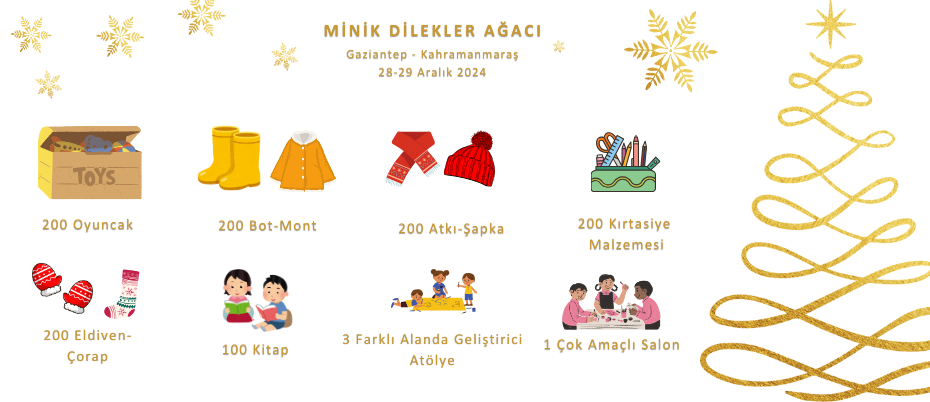
The Little Wishes Tree Project is a social assistance initiative carried out by the Association for Equal Opportunities for Children, the Equal Opportunities for Children Student Community, TED University, and TED University Ayşe Ilıcak Library. The project aims to promote social responsibility and improve children's access to education and their living standards.
The project aimed to reach children attending village schools in the provinces of Gaziantep and Kahramanmaraş. Fieldwork conducted to achieve this goal was completed over a two-day period in December 2024.
As part of the project, a total of seven village schools across both provinces were visited. During these visits, approximately 200 children received various educational and essential living support materials.
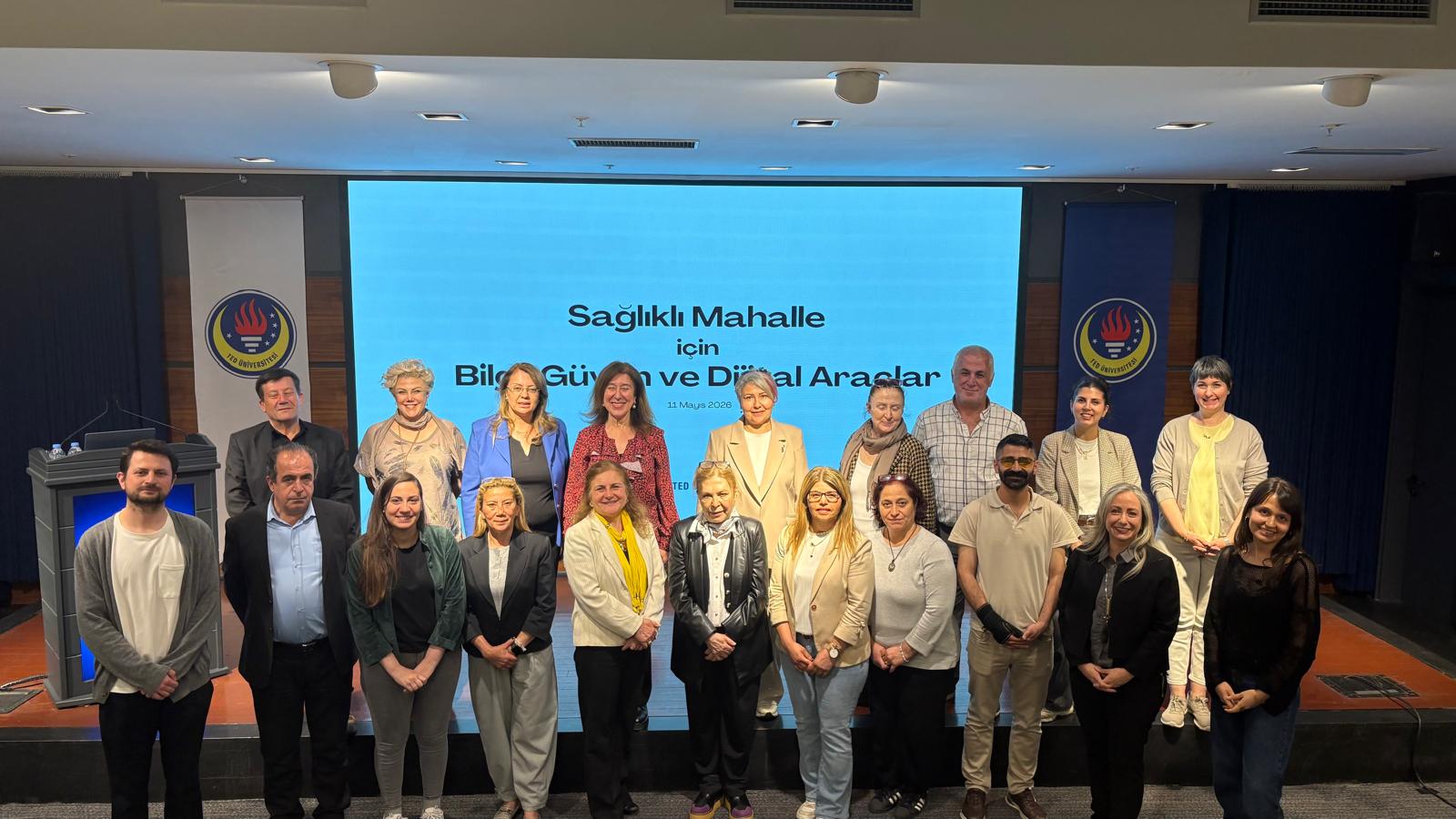
A workshop titled “Information, Trust and Digital Tools for a Healthy Neighborhood” was held at TED University, aiming to strengthen health literacy and access to reliable information at the neighborhood level. The event was attended by approximately 20 local community leaders and opened by TED University’s Community Engagement and Sustainability Commission. The workshop was facilitated by the CancerDisinfo team, which works to combat false and misleading health information, strengthen health literacy, and promote access to reliable information.
Following the opening session, local community leaders shared the most common health-related questions, needs, and information challenges they encounter in their neighborhoods. The workshop addressed the importance of health literacy, how health-related information circulates across digital platforms in Türkiye, and the potential risks posed by false or incomplete health information to individuals and communities.
The CancerDisinfo team emphasized that health information can influence not only individual decisions but also trust, solidarity, and access to healthcare services at the neighborhood level. In this context, local community leaders were recognized as important local actors who serve not only as administrative points of contact but also as individuals who listen to community needs, strengthen relationships of trust, and guide residents toward accurate information.
During the interactive session, participants worked in groups using real social media content. They discussed how false health information can spread, whom it may affect, and what potential harm it may cause.
One of the workshop’s key outcomes was the collective discussion of how local community leaders can contribute to addressing these challenges. Participants highlighted the importance of better understanding residents’ health information needs, listening to their concerns, strengthening digital literacy, and directing them to reliable sources.
The workshop, facilitated by the CancerDisinfo team, concluded with a discussion on practical steps local community leaders can take to help residents address health information challenges in their neighborhoods.
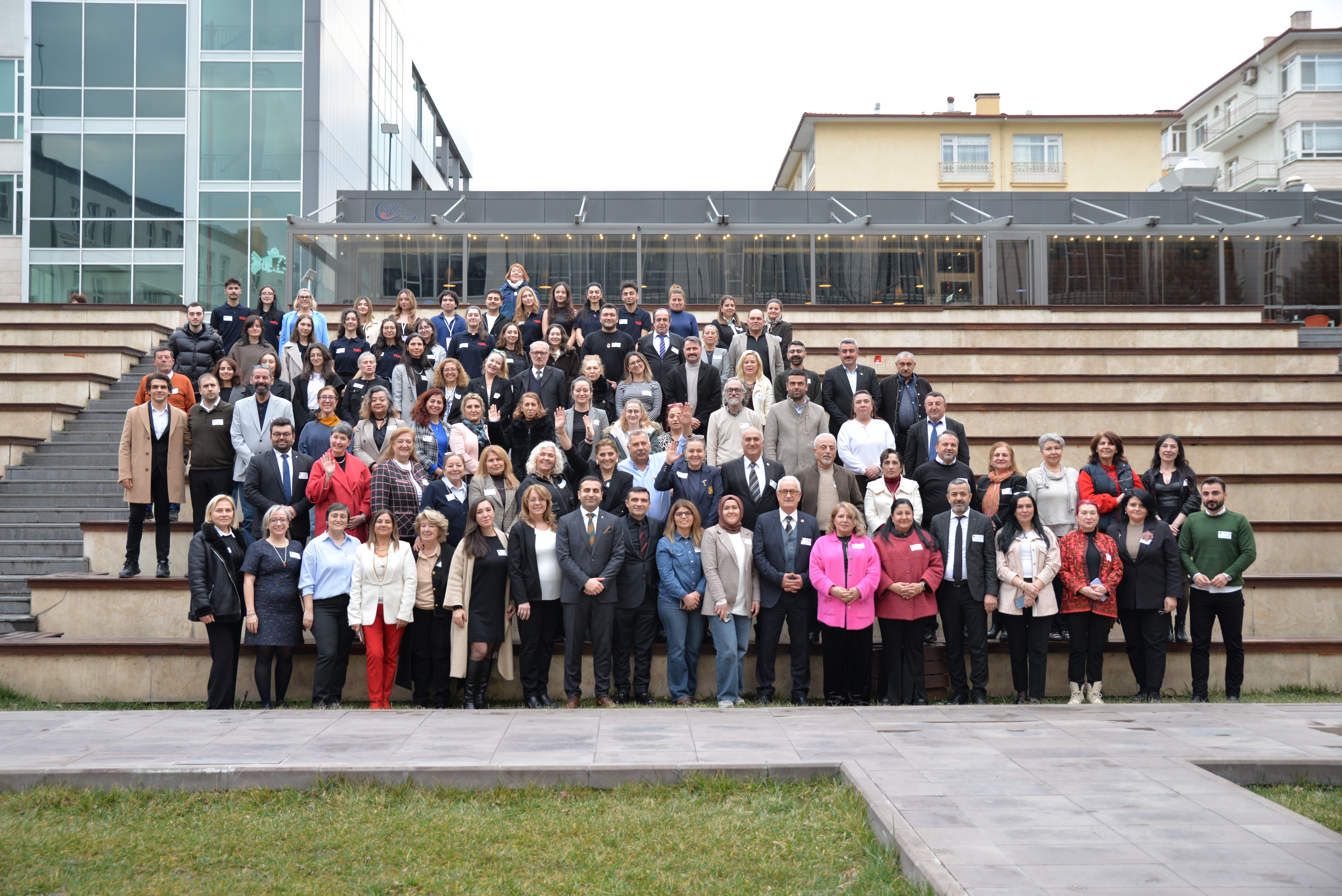
The “Neighborhood–University Collaboration Workshop” was held at our university on February 11, with the active participation of neighborhood representatives from the Çankaya district, aiming to strengthen university–city engagement and transform community engagement initiatives into tangible and sustainable projects at the local level.
During the workshop, our university’s vision for community engagement and examples of good practices were shared, while neighborhood representatives had the opportunity to present the priority needs and proposed solutions identified in their neighborhoods. More than 50 local community leaders participated in structured group discussions conducted across 11 separate tables. Hundreds of practical proposals were developed on various topics, including education, social support, culture and arts, sports, youth initiatives, and local solidarity.
The ideas generated through this collaborative and participatory approach are intended to be transformed into project-based initiatives in the coming period, led by local community leaders and supported by TED University. Through this approach, the university’s knowledge and expertise will be brought together with the local experience of neighborhoods to establish partnerships that generate measurable and sustainable impact.
TED University views community engagement not merely as an academic field of activity, but as a process focused on creating sustainable impact through initiatives designed, implemented, and developed in collaboration with local stakeholders. This workshop marked an important first step toward establishing neighborhood–university collaboration on an institutional basis and generating tangible value at the local level.
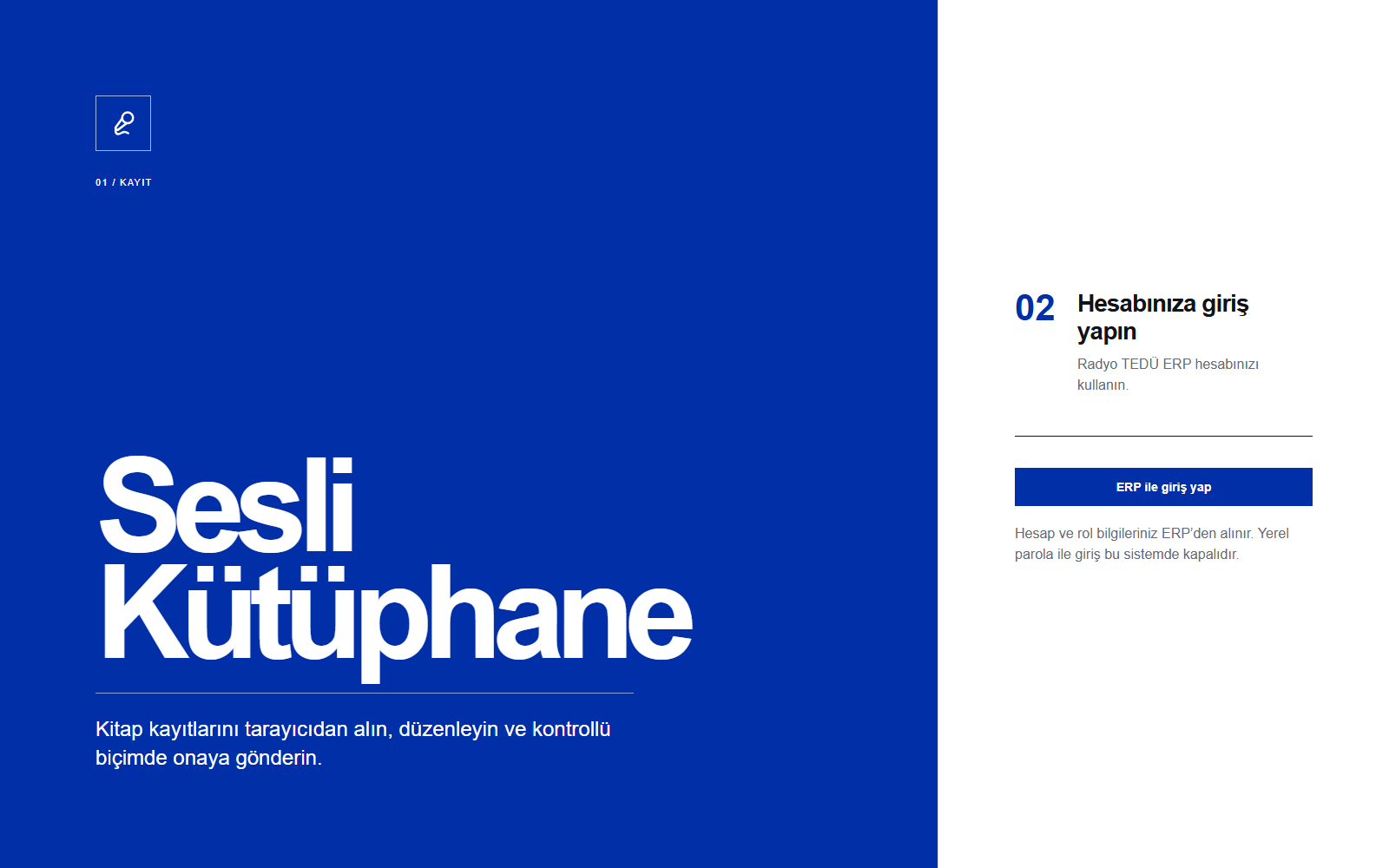
The Audio Library is a collaborative platform where volunteers scan book records through a web browser, organize them chapter by chapter, conduct quality checks, and submit them for approval. Its purpose is to create an accessible audiobook collection for visually impaired children.
Our Volunteer Audio Library initiatives and partnerships with non-governmental organizations support access to quality education, the reduction of inequalities, and solidarity through the creation of shared public value.